Updated: August 2026
Are Komodo Liveaboard Trips Safe for Families with Children?
Yes, Komodo liveaboard trips are exceptionally safe for families with children when planned with a reputable, family-focused operator. The key to a secure and memorable journey lies in selecting a vessel with stringent safety protocols, adhering to the expert guidance of park rangers, and engaging in age-appropriate activities.
- Vessel safety standards, including certified crew and modern navigation equipment, are paramount.
- Guided land excursions ensure all interactions with Komodo dragons occur at a safe, supervised distance.
- Customizable itineraries allow for sheltered snorkeling spots and calm sea conditions suitable for younger travelers.
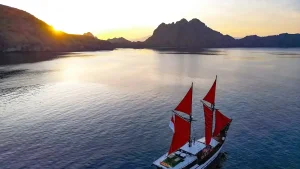
The first light of dawn spills across the Flores Sea, painting the volcanic silhouettes of the Komodo archipelago in hues of apricot and rose. Your children are at the bow of a magnificent 50-meter phinisi, their faces alight with wonder, not at a screen, but at a pod of dolphins arcing through the turquoise water. The warm, salty air whips through your hair, carrying the scent of adventure. This is the promise of Komodo—a journey back in time to a land of dragons and pristine coral reefs. Yet, as a parent, a question hums beneath the surface of this idyllic scene: Is this grand adventure truly safe for my family? As a senior editor who has spent considerable time navigating these waters, I can tell you that with proper planning and the right partner, the answer is a resounding yes. It’s an experience that doesn’t just entertain but educates and connects a family in a way few other destinations can.
Deconstructing the ‘Komodo Dragon’ Encounter: A Guide for Parents
The primary concern for any family considering this Indonesian frontier is, understandably, the Komodo dragon (Varanus komodoensis). These are, after all, the world’s largest lizards, apex predators that have roamed these islands for millions of years. However, the image of a fearsome, untamed beast is tempered by the reality of a highly regulated and professionally managed tourism experience. Since Komodo National Park was established in 1980 and later declared a UNESCO World Heritage Site, protocols for visitor safety have been meticulously refined. On both Rinca and Komodo islands, every single group is accompanied by at least two certified local rangers. I recall my last trek with a ranger named Bapak Wayan, a man with over 15 years of experience, who explained, “The dragon is a creature of respect, not fear. We understand its behavior. We know its territories. We never get closer than five meters, and we always use our forked staff to maintain that distance.” These rangers are experts in animal behavior, able to read subtle cues that visitors would miss. They dictate the path, the pace, and the viewing distance, ensuring a buffer zone that is safe for both humans and the animals. The dragons themselves, which can reach lengths of 3 meters and weigh over 70 kilograms, are typically lethargic, conserving energy in the tropical heat. Encounters are about observation and photography from a secure distance, not about high-risk interaction. The system works; incidents are extraordinarily rare, especially involving tourists under guide supervision. The entire experience is framed as a wildlife safari, where the rules of nature and the guidance of experts are the ultimate authority.
Life Aboard a Luxury Phinisi: More Than Just a Boat
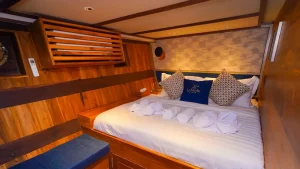
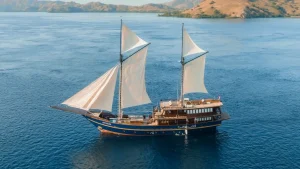
The vessel you choose is your family’s sanctuary, your floating basecamp for the duration of the expedition. The modern luxury phinisi, a traditional Indonesian two-masted sailing ship, is a far cry from a rustic charter. The vessels in our curated selection are built to international maritime safety standards, often exceeding local requirements. Safety is not an afterthought; it’s engineered into the design. Think SOLAS-grade life rafts, personal flotation devices (PFDs) in child sizes, and advanced navigation and communication systems like GPS, radar, and Emergency Position Indicating Radio Beacons (EPIRBs). The crew’s expertise is just as critical. On a high-end charter, you can expect a crew-to-guest ratio of nearly 1:1, with every member trained in first aid, CPR, and emergency procedures. I once spoke with Captain Adi, a seasoned skipper with over 20 years of experience in these waters, who emphasized, “My first priority is the ship. My second is everyone on it. We run safety drills monthly, not just when regulations require.” Beyond the hardware and training, these vessels are designed for family comfort. Family suites can be as large as 30 square meters, offering private balconies and interconnected rooms. Chefs are adept at catering to discerning palates, including those of picky eaters, preparing everything from fresh-caught sashimi for the adults to custom pasta dishes for the children. The rhythm of life aboard is one of relaxed luxury, where the crew handles every detail, allowing you to focus entirely on the shared experience with your family.
Navigating Komodo’s Waters: Currents, Conditions, and Captaincy
The waters of the Komodo National Park are as dynamic as the islands they surround. The Indonesian Throughflow, a massive volume of water moving from the Pacific to the Indian Ocean, creates powerful currents that can exceed 8 knots in channels like the famed Linta Strait. This is precisely why the experience and pedigree of your vessel’s captain and operator are non-negotiable. An expert captain doesn’t just follow a set itinerary; they read the sea. They understand the tidal charts, wind patterns, and local microclimates, adjusting the day’s plan to ensure smooth sailing and safe water activities. A reputable operator will never compromise safety for a checklist item. If conditions at a popular dive site like Batu Bolong are too challenging, a skilled captain will have several alternative, equally spectacular, and far safer anchorages in mind. The journey from the main port of Labuan Bajo to the central park area is roughly 40 nautical miles, and a well-maintained vessel with powerful engines can navigate this with ease. When vetting an operator for the best live aboard komodo, we scrutinize their safety records, the captain’s credentials, and their protocol for adapting to changing conditions. The goal is to find mooring spots in calm, protected bays for evenings and for water activities like kayaking and paddleboarding, ensuring children can enjoy the ocean in a controlled and secure environment. The raw power of Komodo’s currents is what makes the marine biodiversity so rich, but in the hands of a seasoned crew, it is a variable to be respected and managed, not a threat to be feared.
Health and Wellness at Sea: From Sunburn to Seasickness
Beyond the dramatic landscapes and wildlife, practical health considerations are key to a successful family trip. The primary health concerns in this remote equatorial region are manageable with preparation. The sun’s intensity is significant, with the UV index frequently reaching 11 or higher. A rigorous sun protection strategy is essential: high-SPF, reef-safe sunscreen, wide-brimmed hats, UV-protective rash guards for water activities, and staying hydrated are paramount. Reputable liveaboards provide an abundance of bottled water and fresh juices. Seasickness can be a concern for some, though the large, heavy build of a traditional phinisi provides significant stability. The crew is trained in first aid, and the ship is equipped with a comprehensive Category A marine medical kit, containing everything from bandages to oxygen. For any serious issues, the protocol involves immediate communication with shore-side medical services in Labuan Bajo and, if necessary, planning for a swift return to port or medical evacuation. Proactive wellness—staying hydrated, protected from the sun, and well-rested—is the best medicine, and the attentive crew helps make this effortless.
Curating the Adventure: Age-Appropriate Activities Beyond the Dragons
A Komodo liveaboard journey is a multi-faceted adventure where the dragons are just one chapter. The true magic for families often lies in the water. The park protects one of the world’s richest marine ecosystems, boasting over 1,000 species of fish and 260 types of coral. This is an natural classroom for children. A well-crafted family itinerary focuses on activities that are both thrilling and safe for all ages. Instead of challenging drift dives, your days will be filled with snorkeling in calm, shallow coral gardens off the shore of islands like Siaba Besar, often called “Turtle Town” for its abundance of resident green sea turtles. You can explore the otherworldly landscape of Padar Island with a family-friendly hike timed for the cooler morning hours. One of the most unforgettable experiences is swimming at Manta Point (Karang Makassar), where gentle currents bring these majestic rays, with wingspans of up to 4 meters, to feed. Even young children can snorkel here, holding onto a guide’s flotation ring, as the mantas glide gracefully below. According to the official Indonesian tourism board, the diversity of experiences is what makes the region so appealing. Afternoons can be spent kayaking into hidden coves, paddleboarding across glassy bays, or visiting the famous Pink Beach, where microscopic red organisms mixed with white sand create a stunning pastel shoreline. Crafting a bespoke family itinerary is about balancing iconic sights with accessible, low-risk activities that spark curiosity and create lasting memories.
Quick FAQ: Answering Your Pressing Questions
Even with the big picture in focus, parents often have specific, practical questions. Here are some of the most common queries we receive from families planning a Komodo expedition.
What is the minimum age for a Komodo liveaboard?
This varies by vessel and operator, but most luxury charters that cater to families suggest a minimum age of 8 to 10 years old. This is less about a strict rule and more about ensuring the child is a confident swimmer and can appreciate the nature-focused activities. We can help you find operators who are particularly adept at hosting younger children.
Is there reliable Wi-Fi or cell service?
You should plan to be largely disconnected. While some high-end vessels offer satellite Wi-Fi for a fee (with speeds around 1-2 Mbps, suitable for messaging but not streaming), it can be intermittent. Cell service is patchy and generally only available when anchored close to Labuan Bajo or certain villages. It’s best to embrace this as a digital detox for the whole family.
How are dietary restrictions and allergies handled?
This is a hallmark of a luxury liveaboard. Prior to your trip, you will fill out a detailed preference sheet. The onboard chef will meticulously plan menus around any allergies (e.g., gluten, dairy, nuts) or dietary needs (e.g., vegetarian, vegan). The quality and customization of the cuisine are often a highlight of the journey.
Choosing Your Vessel: The Atelier Difference in Family Safety
Ultimately, the safety and success of your family’s trip hinge on the quality of the operator you choose. The market is filled with options, but not all are created equal. This is where our role as curators becomes vital. At Best Liveaboard Komodo Atelier, we don’t just list boats; we build relationships with a small, elite group of owners and operators whose commitment to safety is absolute. Our vetting process is rigorous and goes far beyond glossy brochures. We review maintenance logs, verify crew certifications, and inspect safety equipment firsthand. We prioritize vessels with enclosed railings, dedicated family cabins, and crews experienced in hosting children. Finding the best live aboard komodo experience for a family means looking at the nuanced details: Does the crew genuinely enjoy having kids on board? Is the divemaster skilled at introducing children to snorkeling? Is the daily schedule flexible enough to accommodate a tired child? These are the questions we ask on your behalf. By selecting from our portfolio, you are choosing from vessels that have already met a standard of excellence in safety, service, and family-friendliness, removing the guesswork and uncertainty from your planning process. This allows you to your adventure with the most important thing: peace of mind.
A family expedition to the Komodo archipelago is an investment in shared discovery. It’s a chance to witness primeval nature, explore vibrant underwater worlds, and reconnect away from the distractions of daily life. With careful selection and expert guidance, it is not only a safe adventure but a transformative one. Let us help you design the best live aboard komodo adventure for your family, crafting a seamless journey from start to finish. The dragons, the reefs, and a lifetime of memories await.