Updated: August 2026
What Is the Best Time of Year for a Komodo Liveaboard?
- Optimal Sea Conditions: Expect calm seas and exceptional water visibility, frequently exceeding 30 meters, ideal for diving and snorkeling.
- Peak Wildlife Encounters: The dry months, particularly June to September, are prime for observing large aggregations of manta rays.
- Favorable Weather: Sunny, dry days with low humidity provide perfect weather for trekking on Rinca and Komodo islands to see the dragons.
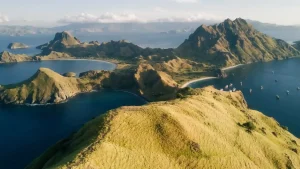
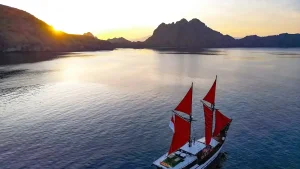
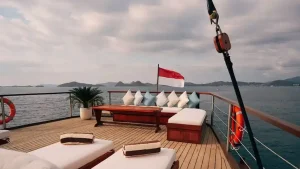
The teak deck is warm underfoot, the air thick with the scent of salt and the distant, spicy aroma of cloves from a neighboring island. Aboard our phinisi, the Nusantara, we are suspended between a deep cobalt sea and an endless cerulean sky. The only sounds are the gentle creak of the rigging and the call of a sea eagle circling high above the rust-colored hills of Padar Island. This is the immersive reality of exploring Komodo National Park, a realm where time is measured not in hours, but in tides and animal encounters. The most pressing question for any discerning traveler planning to enter this prehistoric world is not if they should go, but precisely when. The answer, as I’ve learned over two decades of covering marine expeditions, is nuanced and depends entirely on what you seek from this UNESCO World Heritage site.
Decoding Komodo’s Two Distinct Seasons
Unlike the four-season rhythm many of us are accustomed to, the climate in this corner of the Lesser Sunda Islands is governed by a simpler, more dramatic duality: the dry season and the wet season. Understanding this fundamental divide is the first step in planning the ultimate Komodo expedition. The dry season, which typically runs from April to November, is the period most operators and guidebooks will point you to. And for good reason. During these eight months, the southeast monsoon winds bring arid air from the Australian continent, resulting in minimal rainfall—often less than 50mm per month—and consistently clear skies. Air temperatures are comfortable, averaging between 26°C and 30°C, with humidity hovering around a manageable 75%. These conditions create the calm, glassy seas and brilliant sunshine that have become synonymous with the best live aboard komodo experience. It is, without question, the high season.
Conversely, the wet season arrives with the northwest monsoon winds from December through March. This period is characterized by higher humidity, often exceeding 85%, and more frequent, though typically short-lived, tropical downpours. January and February see the heaviest precipitation, which can sometimes exceed 200mm. The primary consideration for liveaboard travel during this time is not the rain itself, but its effect on the sea. The winds can generate larger swells, particularly in the southern reaches of the park near the Indian Ocean, making for choppier crossings and potentially limiting access to certain exposed dive sites. Water visibility can also be reduced. However, as we’ll explore, this season holds its own unique allure for the intrepid traveler.
The Prime Window: April to June (The Shoulder Season Sweet Spot)
In my conversations with seasoned expedition leaders, many point to the shoulder season of April to June as their personal favorite time to be in the park. This period represents a perfect synthesis of conditions. The islands, having just been quenched by the wet season, are at their most vibrant. The usually barren, savanna-like hills are carpeted in an intense, almost electric green, creating a spectacular visual contrast against the turquoise bays. It’s a photographer’s dream. The surge of tourist arrivals for the European summer holidays has yet to begin, meaning fewer vessels are vying for mooring spots at iconic locations like Gili Lawa Darat. You get a sense of solitude that is harder to find by August.
Below the surface, the marine environment is transitioning into its prime. Water temperatures are pleasant, averaging 27°C in the central and northern areas, and visibility begins to clear dramatically, consistently hitting the 20- to 25-meter mark. This is an excellent time for encountering a wide array of marine life. At world-class dive sites like Batu Bolong, a submerged pinnacle teeming with life, you’ll find schools of fusiliers so dense they block out the sun, stalked by giant trevallies and the occasional white-tip reef shark. The Komodo dragons are also particularly active, energized after the cooler, wetter months. Trekking on Rinca Island during this window often yields more dynamic sightings as the dragons roam more widely in search of food before the mating season commences.
Peak Perfection: July to September (The Height of the Dry Season)
If your primary objective is to experience Komodo in its most classic, postcard-perfect state, then the period from July to September is your undisputed window. This is the apex of the dry season, delivering day after day of cloudless skies and exceptionally calm seas. The waters of the Flores Sea become so flat you feel you could skate across them. This is when the marine conditions reach their zenith. Water visibility frequently surpasses 30 meters, creating an ethereal, gin-clear underwater world. For divers and snorkelers, it is sublime. The cooler, nutrient-rich upwellings from the south are at their strongest, attracting an astonishing biomass of pelagic life. This is, unequivocally, the best time of year for manta rays.
Dive sites like Manta Point (Karang Makassar) become cleaning stations and social hubs for dozens of reef mantas (Mobula alfredi), which can have wingspans of up to 5 meters. Watching these gentle giants glide effortlessly in the current is one of the planet’s great wildlife spectacles. On land, this period coincides with the Komodo dragon mating season. From July through August, males engage in fierce, dramatic territorial battles, rising on their hind legs to wrestle for dominance—a raw and powerful display of nature. The trade-off for these perfect conditions is popularity. This is the busiest time in the park, and securing a cabin on a top-tier vessel from the Best Liveaboard Komodo Atelier collection often requires booking 12 to 18 months in advance. The park, officially designated a UNESCO World Heritage site in 1991, manages visitor flow, but you will certainly be sharing its wonders.
The Golden Months: October to November (Chasing Calm and Clarity)
As the peak season crowds begin to dissipate, another magnificent window opens from October to November. The weather remains stable and dry, and the seas are often at their calmest as the monsoon winds prepare to shift. For many professional underwater photographers, this is the most coveted time to visit. The water is often at its warmest, reaching 28-29°C in the north, and the visibility can be the best of the entire year. The lower angle of the sun during these autumn months casts a soft, golden light, which penetrates deep into the water column, illuminating the vibrant coral gardens of sites like Siaba Besar and the Castle Rock pinnacle. The plankton bloom that attracts the mantas has subsided slightly, leading to even clearer water, though sightings of mantas and other large pelagics are still very common.
This period also offers a unique opportunity on land. Komodo dragon eggs, laid a few months prior, typically begin to hatch around September. In October and November, with a keen-eyed guide, you might be fortunate enough to spot juvenile dragons. These small, brightly patterned lizards are arboreal for the first few years of their lives to avoid being cannibalized by larger adults—a fascinating and rarely seen aspect of their life cycle. This season offers a superb balance: world-class marine conditions, comfortable weather, active wildlife, and a significant reduction in boat traffic compared to the preceding months, making it an ideal choice for a more tranquil journey.
The Wet Season Gamble: December to March (For the Adventurous Few)
To dismiss the wet season entirely would be a mistake. While it presents certain challenges, it offers a profoundly different and, for some, more rewarding Komodo experience. Yes, surface conditions can be choppy, and itineraries must be flexible. A knowledgeable captain is non-negotiable. As Captain Adit, a veteran of these waters for over 15 years, once told me, “In the wet season, the park tells us where to go. We listen to the wind and the currents, and we often discover quieter magic.” Reputable operators will typically focus their routes on the more sheltered northern and central areas of the park, which are less affected by the southern swells. The official Indonesian tourism portal notes the park remains open year-round.
The rewards? First, near-total solitude. You may go an entire day without seeing another liveaboard. Second, the landscape is transformed into a lush, emerald-green paradise, with dramatic, cloud-filled skies that create spectacular sunrises and sunsets. For photographers, the moody lighting is a gift. Underwater, while open-water visibility may drop to 15 meters, it’s a phenomenal time for macro life. The nutrient-rich water brings out a host of rare critters, making it a paradise for spotting pygmy seahorses, flamboyant cuttlefish, and a dazzling variety of nudibranchs. Furthermore, many operators offer significant value, with charter rates sometimes dropping by 20-30% compared to the high season, making a luxury voyage more accessible.
Quick FAQ
What is the water temperature in Komodo?
It varies significantly. The southern sites, influenced by the Indian Ocean, can be a bracing 20-24°C. The central and northern areas are much warmer, typically ranging from 26-29°C. A 3mm to 5mm full wetsuit is recommended year-round to be comfortable in the variable thermoclines.
When is manta ray season in Komodo?
While manta rays can be spotted throughout the year, the peak season for witnessing large aggregations at cleaning stations is during the driest months, from June through September. This is when the nutrient-rich upwellings are at their strongest, creating a plankton feast.
Is a Komodo liveaboard safe during the rainy season?
Absolutely, provided you choose a reputable, experienced operator. The key to a safe and enjoyable trip during these months is the expertise of the captain and crew. Premier fleets like Best Liveaboard Komodo Atelier employ seasoned navigators who dynamically adjust itineraries to focus on the calmest, most protected sites, ensuring both safety and exceptional experiences.
How far in advance should I book my trip?
For the peak season of July and August, it is critical to book 12 to 18 months in advance, especially for full-boat charters. For the excellent shoulder seasons (April-June, October-November), a 6- to 9-month lead time is advisable. For the wet season, you may find availability 3-4 months out.
Ultimately, the “best” time is a personal calculation, a balance of priorities between solitude, specific wildlife encounters, and weather patterns. Whether you seek the vibrant green hills of May, the manta-filled currents of August, or the golden light and clear waters of November, Komodo delivers an adventure. The key is aligning the archipelago’s rhythm with your own. Ready to chart your course through this prehistoric paradise? Explore our fleet and find the best live aboard komodo voyage that aligns with your calendar and your aspirations.