Updated: August 2026
How to Choose the Best and Safest Komodo Liveaboard Operator
- Vessel Seaworthiness: Regular dry-dock maintenance and modern navigation systems are non-negotiable.
- Crew Proficiency: The captain and dive guides must hold advanced certifications and have years of specific experience in Komodo’s currents.
- Emergency Preparedness: Comprehensive first aid, oxygen kits, and a clear medical evacuation plan are essential.
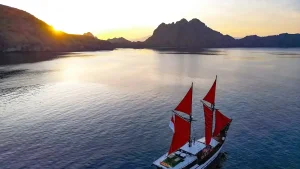
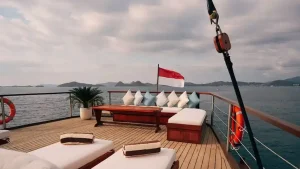
The teak deck is warm underfoot, the sun just beginning to dip below the jagged silhouette of Gili Lawa Darat. The steady thrum of the engine is a comforting baseline to the lapping of water against the hull. This is the moment—the one that fills brochures and fuels daydreams. Yet, in the vast, current-swept expanse of the Komodo archipelago, this tranquility is not a given; it is earned. It is the direct result of a thousand decisions made long before you ever stepped aboard, decisions centered on one critical, often-overlooked principle: uncompromising safety. As we at the Best Liveaboard Komodo Atelier know, the true measure of luxury at sea isn’t the thread count of the linens, but the depth of the operator’s commitment to bringing you home. The difference between a sublime expedition and a potential crisis lies entirely in the caliber of the operator you choose.
Beyond the Brochure: Scrutinizing the Vessel Itself
The iconic image of Komodo is the Phinisi, a traditional two-masted Indonesian sailing vessel whose design has been refined over centuries. While these wooden ships offer an undeniable romance, their safety profile varies dramatically. A well-maintained Phinisi, built by master craftsmen in South Sulawesi and retrofitted with modern marine technology, can be an exceptionally seaworthy vessel. However, the market is also flooded with older, poorly converted boats. When vetting an operator, the first questions must concern the ship’s physical integrity. Ask for its build year and the date of its last major dry-docking—an essential maintenance period that should occur every 12 to 24 months. During this time, the hull is inspected, repaired, and repainted, and all critical systems are overhauled. A reputable operator will share this information freely. Look for specifics: Is the engine a reliable marine brand like Yanmar or Caterpillar? Does the vessel carry redundant navigation systems, including modern radar, GPS, chart plotters, and a depth sounder? A vessel 29 islands of Komodo National Park, where underwater topography can change abruptly, requires this level of technology. The cost for a new luxury Phinisi can exceed $2 million, with annual maintenance easily reaching $100,000. These figures are reflected in the charter price, a clear indicator that safety is a line item in the budget.
The Human Element: Why Crew Experience is Non-Negotiable
A state-of-the-art vessel is merely a shell without a proficient crew at its helm. In Komodo, the “human element” is arguably the single most important safety factor. The currents here are legendary; channels like the Sape Strait can funnel water at speeds exceeding 8 knots. A captain without years—not months—of specific experience navigating these waters is a liability. I once spoke with a veteran captain, Pak Hendra, who has been sailing these seas for over 20 years. He explained, “The charts tell you the geology, but only experience tells you how the water behaves over that geology at 2:00 PM on a falling tide in August.” This is the kind of institutional knowledge you are paying for. The dive team is equally critical. A PADI Divemaster is the minimum qualification, but a seasoned PADI Instructor with Emergency First Response (EFR) credentials is the standard you should seek. A top-tier operation will have a guest-to-dive-guide ratio of no more than 4:1. This ensures personal attention underwater and immediate assistance if a situation develops. The unsung hero is the ship’s engineer, responsible for the engines, generators, and compressors that are the lifeblood of the vessel. A professional crew, from the captain to the deckhands, is the core of what we consider the best live aboard komodo experience—a seamless fusion of service and safety.
Dive Safety and Emergency Protocols in Komodo’s Demanding Waters
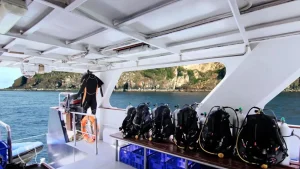
Diving in Komodo is an advanced pursuit. Sites like Castle Rock, Crystal Rock, and the infamous “Shotgun” are world-class precisely because of the nutrient-rich currents that attract prolific marine life. These same currents demand respect and a rigid adherence to safety protocols. Before booking, you must inquire about the operator’s specific dive safety measures. Do they provide and require all divers to carry a surface marker buoy (SMB) and a reef hook? A detailed dive briefing is not a pleasantry; it is a critical safety procedure. The guide should cover entry and exit points, expected current direction and strength, maximum depth and time, and clear hand signals for communication. Onboard, the emergency equipment must be comprehensive. This includes, at a minimum, multiple large tanks of medical-grade oxygen, a complete first-aid kit, and an Automated External Defibrillator (AED). Ask about their emergency action plan. How do they contact shore-based medical services? What is their procedure for an evacuation? The nearest hyperbaric chamber is in Denpasar, Bali, a significant distance away. A professional operator will have a clear, rehearsed plan for stabilization and transport, often involving coordination with services in Labuan Bajo. This level of preparedness is the hallmark of the safest komodo liveaboard operator and a fundamental criterion for inclusion in our curated collection.
The Price of Peace of Mind: Decoding Operator Costs
In the world of liveaboards, the adage “you get what you pay for” has never been more accurate. A surprisingly low price—say, under $300 per person, per night—should be a significant red flag. It is simply not possible to run a safe, well-maintained, and professionally staffed operation at that price point in an area as remote as Komodo. The operational costs are immense. Marine diesel fuel can run upwards of $1,500 per day for a vessel of 30 meters. A proper crew of 10 to 12 members requires competitive salaries to retain top talent. Comprehensive hull and liability insurance can cost over $30,000 annually. Add to this the cost of high-quality provisions, national park fees (which can be over $50 per person per day), and the constant cycle of maintenance and equipment replacement. When an operator drastically undercuts the market, these are the areas where corners are cut: maintenance is deferred, crew are under-qualified and underpaid, and safety equipment is minimal or expired. A reputable luxury operator, charging $600 or more per night, is not just selling you a nicer cabin; they are selling you a higher margin of safety. They are investing in the best equipment, the most experienced crew, and a maintenance schedule that anticipates problems before they occur.
Vetting Your Operator: A Pre-Voyage Checklist
Your due diligence begins long before you wire a deposit. Start by reading reviews, but look past the generic “amazing trip” comments. Seek out detailed accounts from experienced divers that mention specifics: the quality of the dive briefings, the condition of the rental gear, the crew’s response to a minor issue, the attentiveness of the guides underwater. A pattern of positive, detailed feedback is a good sign. Next, engage with the operator directly via email. Their responsiveness and the thoroughness of their answers are telling. Ask pointed questions: “Can you describe your emergency action plan for a diving-related incident?” “When was your last dry-dock inspection and what was serviced?” “What are the specific qualifications of your cruise director and lead dive instructor?” A professional organization will have these answers ready. You can also verify their affiliation with professional bodies. Are they a registered PADI 5 Star Dive Resort? This certification requires adherence to strict safety and quality standards. As noted on Indonesia’s official tourism portal, the region’s popularity has led to a rapid increase in operators, making this personal vetting process more crucial than ever. Choosing the right vessel is about building a portfolio of trust before you ever leave the dock.
Quick FAQ on Komodo Liveaboard Safety
We receive many questions about the practicalities of safety in the park. Here are a few of the most common inquiries. Is Komodo National Park safe for beginner divers? With the right operator, yes. A responsible guide will select sheltered sites like Sebayur Kecil or parts of the Siaba Besar reef, which have minimal current and are perfect for newer divers. They will avoid the challenging open-water pinnacles. The key is communicating your experience level honestly. What is the safest time of year to visit Komodo? The dry season, roughly from April to November, generally offers the calmest sea conditions, which enhances safety and comfort. However, a well-maintained vessel with a skilled captain can navigate the region safely year-round. What is the protocol for encounters with Komodo dragons? All land excursions within the UNESCO World Heritage site of Komodo National Park are led by trained local rangers. Their instructions are mandatory. They carry forked sticks to keep the dragons at a safe distance, which is typically 3-5 meters. Attacks are exceptionally rare, with fewer than 30 recorded over the last 50 years, and almost always result from visitors ignoring the rangers’ rules. What happens in a non-diving medical emergency? The crew should be trained in first aid. For anything serious, the plan is to stabilize the patient and head to the nearest port, Labuan Bajo, which has a small hospital (Siloam Hospital). For critical cases, a medical evacuation to a more advanced facility in Bali is the standard procedure, a process a top-tier operator will be equipped to manage.
Choosing your vessel in these storied waters is the most important decision you will make. It is an investment in your peace of mind and your personal safety. The currents of Komodo are powerful and the environment is remote, but with meticulous planning and the selection of an operator who treats safety as a core value, the experience is transformative. This philosophy is the foundation upon which we have built our portfolio. We have done the exhaustive research, inspected the vessels, and met the crews to ensure they meet the highest standards, allowing you to focus on the spectacular adventure that awaits. To explore the fleet that meets our exacting criteria, we invite you to discover what we believe are the best live aboard komodo experiences available.