Updated: August 2026
Sustainable Komodo Travel And Responsible Boats
Sustainable Komodo Travel And Responsible Boats
Sustainable Komodo travel emphasizes eco-friendly practices while exploring the stunning landscapes and vibrant marine life of the Komodo National Park. It involves choosing responsible tours, utilizing low-impact liveaboards, and contributing positively to local communities and conservation efforts.
Understanding Sustainable Travel in Komodo
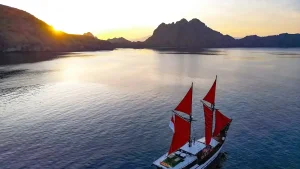
Komodo is not just a destination; it’s a delicate ecosystem that requires careful stewardship. In 2026, sustainable Komodo liveaboard options are increasingly popular among travelers seeking to minimize their environmental footprint while enjoying the breathtaking beauty of the area. Many tour operators have embraced eco-friendly practices, including utilizing renewable energy sources, minimizing waste, and engaging local communities.
Choosing Eco-Friendly Komodo Boats
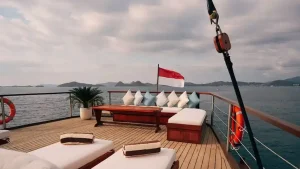
When searching for an eco-friendly Komodo boat, consider liveaboards that prioritize sustainability. For example, vessels like the Alma and the Indo Explorer are designed with energy-efficient engines, solar panels, and waste management systems to reduce their environmental impact. Prices for these liveaboards in 2026 typically range from $1,500 to $3,000 for a 5-day trip, depending on the amenities offered and the season.
Responsible Komodo Tours
- Local Guides: Engaging a local guide not only enriches your experience with authentic insights but also supports the local economy.
- Conservation Efforts: Many responsible tours incorporate conservation activities, such as beach cleanups and educational sessions on marine biodiversity.
- Wildlife Watching: Responsible wildlife viewing practices ensure that interactions with Komodo dragons and marine life do not harm their natural habitats.
Komodo Conservation Travel
Contributing to Komodo’s conservation is crucial for preserving its unique environment. In 2026, many liveaboard operators offer dedicated Komodo marine conservation tours, where divers can participate in underwater cleanups and species monitoring. These tours often come at a cost of about $1,200 for a 4-day trip, with a focus on ethical Komodo diving practices that minimize damage to coral reefs.
Low Impact Liveaboard Komodo
Low impact liveaboards are designed to operate with minimal disturbance to the environment. These boats feature composting toilets, water purification systems, and reduced energy consumption. For instance, the Eco Dive liveaboard consistently emphasizes sustainability, charging approximately $1,700 for a week-long trip, which includes meals made from locally sourced ingredients.
Plastic-Free Komodo Boats
Many operators are now committed to reducing plastic waste by providing refillable water stations and encouraging the use of reusable containers. For example, the Green Dream liveaboard has implemented a strict no-plastic policy on board, welcoming guests to bring their own reusable bottles. A typical cruise with them costs around $1,600 for five days and includes diving, meals, and educational workshops on marine conservation.
Ethical Komodo Diving
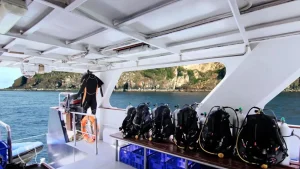
For those keen on exploring the underwater wonders of Komodo, ethical diving is essential. Operators like the Scuba Eco ensure divers are educated on reef preservation and responsible interactions with marine life. Dive depths can range from 15 to 30 meters, with visibility often exceeding 30 meters during the dry season from April to December.
Local Guide Komodo Travel Benefits
Using a local guide when navigating Komodo’s islands not only enhances your understanding of the biodiversity but also fosters connections with the communities that call these islands home. Local guides typically charge around $50 per person per day, providing insights into indigenous cultures and conservation challenges faced in the region.
Sustainable Tourism in Labuan Bajo
Labuan Bajo, the gateway to Komodo National Park, is also embracing sustainable tourism. In recent years, initiatives have been launched to promote eco-friendly practices among businesses, including accommodations that use solar energy and support local artisans. Visitors can find eco-lodges that charge between $30 to $150 per night, depending on the amenities and level of sustainability practices.
Frequently Asked Questions
- What is the best time to visit Komodo for sustainable travel?
The best time is during the dry season, from April to December, when wildlife is more active, and the weather is ideal for diving. - How do I choose a responsible tour operator?
Look for operators that are certified by eco-tourism organizations, have transparent practices, and actively contribute to local conservation efforts. - Are there any specific conservation projects I can join while in Komodo?
Yes, many liveaboards offer trips that include participation in coral restoration projects and community outreach programs.
Conclusion
Traveling sustainably in Komodo is not just a trend; it’s a responsibility that allows us to enjoy its wonders while protecting them for future generations. Whether you’re diving in pristine waters or trekking to see the famous Komodo dragons, choosing eco-friendly options ensures that your journey contributes to the preservation of this extraordinary archipelago.
Start planning your responsible adventure in Komodo today!
Explore more from Bestliveaboardkomodo
- Bestliveaboardkomodo — home
- Best Liveaboard Komodo Atelier Safety & Trust
- Best Liveaboard Komodo Atelier Cost & Pricing Guide
- Best Time for Best Liveaboard Komodo Atelier
- Seasickness, Safety, And Motion Tips At Sea
- Best Liveaboard Komodo For Real Buyer Intent