Updated: July 2026
Exploring Komodo's Marine Biodiversity in 2027
In 2027, Komodo’s marine biodiversity offers a vibrant array of unique species and thriving ecosystems, making it a premier destination for marine enthusiasts.
Komodo Marine Biodiversity 2027
The Komodo National Park, renowned for its stunning marine life, continues to attract divers and marine biologists alike. In 2027, the area’s marine biodiversity remains as captivating as ever, with diverse ecosystems that play host to myriad species. The park is a crucial habitat for marine life in Komodo, featuring vibrant coral reefs, diverse fish populations, and endangered species like the dugong and green sea turtle. The park covers an area of approximately 1,733 square kilometres, with 60% of it being marine, providing an expansive environment for underwater exploration.
The coral reefs in Komodo are particularly noteworthy, with over 260 species of reef-building corals creating a kaleidoscope of colours beneath the waves. These reefs serve as a sanctuary for more than 1,000 species of fish, ranging from the tiny, vibrant damselfish to the majestic Napoleon wrasse. The park’s waters are also home to several species of cetaceans, including dolphins and whales, which are frequently spotted during certain times of the year.
What are the Key Marine Biodiversity Trends in Komodo for 2027?
In 2027, key trends include increased sightings of migratory species such as manta rays and whale sharks, enhanced coral health due to effective conservation efforts, and a rise in eco-friendly tourism practices that support marine life conservation. The improved health of coral ecosystems is largely attributed to successful management strategies that have been implemented over the years. These strategies include the enforcement of no-take zones and the regulation of fishing activities to prevent overfishing.
The sightings of manta rays, which are often seen gliding gracefully through the water, have become more frequent, particularly in areas like Manta Point. This increase is a positive indicator of the park’s healthy plankton population, which provides a vital food source for these gentle giants. Similarly, whale sharks, the largest fish in the ocean, are spotted more often between October and April, when they migrate through the region in search of food.
Marine Life in Komodo
Komodo’s waters are teeming with life, making it an ideal spot for diving adventures. The diversity of marine life in Komodo includes fascinating creatures such as pygmy seahorses, colourful nudibranchs, and the ever-popular clownfish. These species thrive in the nutrient-rich waters that flow through the park, carried by the Indonesian Throughflow, one of the most significant ocean currents in the world.
The presence of larger predators, such as reef sharks and barracudas, indicates a balanced ecosystem where the food chain remains intact. Divers often have the opportunity to witness these predators in action, especially around sites like Castle Rock and Crystal Rock, where strong currents attract a variety of marine life.
Conservation Efforts and Biodiversity Trends 2027
Efforts to preserve Komodo’s marine ecosystems have seen significant advancements. In 2027, increased awareness and targeted conservation strategies contribute to the protection of vital habitats. Initiatives focus on reducing plastic pollution, managing sustainable tourism, and enhancing marine protected areas. The results are promising, with healthier coral reefs and stable fish populations observed.
Local communities play a crucial role in these conservation efforts, participating in programmes that promote sustainable fishing practices and waste management. Educational campaigns have been successful in raising awareness about the importance of protecting marine environments, leading to a decrease in harmful practices such as dynamite fishing and coral collection.
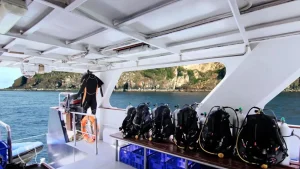
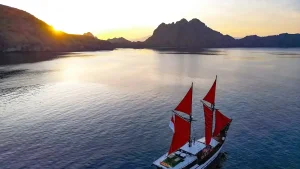
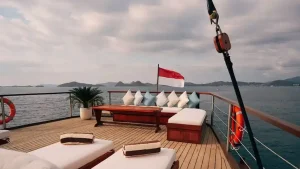
Planning Your 2027 Liveaboard Adventure
When planning a liveaboard trip to explore Komodo’s marine biodiversity in 2027, consider the best times to visit and what you might expect to see. The dry season, from April to December, offers optimal diving conditions. This period is characterised by calm seas and excellent visibility, often exceeding 30 metres, which enhances the diving experience.
Be sure to inquire about eco-friendly practices onboard to ensure your trip supports conservation efforts. Many operators now offer liveaboard experiences that align with sustainable tourism principles, such as reducing single-use plastics and supporting local conservation initiatives. For more details on planning your trip, explore our comprehensive FAQ page.
2027 Note
As we look towards 2027, Komodo’s commitment to marine conservation continues to shape its future. The park’s dedication to preserving its unique ecosystems ensures that visitors can experience the beauty and diversity of its marine life for years to come. Stay updated on the latest developments and plan your liveaboard adventure with confidence. The ongoing collaboration between government bodies, NGOs, and local communities is crucial in maintaining the park’s ecological integrity.
FAQ
What are the key marine biodiversity trends in Komodo for 2027?
In 2027, trends include increased sightings of migratory species, improved coral health, and a rise in eco-friendly tourism practices.
How is climate change affecting marine life in Komodo?
Climate change poses challenges such as coral bleaching, but conservation efforts aim to mitigate these effects, maintaining the resilience of marine ecosystems. The park is actively involved in monitoring sea temperatures and coral health to adapt strategies effectively.
When is the best time to explore Komodo’s marine biodiversity?
The best time is during the dry season, from April to December, when diving conditions are ideal and marine life is most active. During this time, water temperatures range between 27°C and 29°C, making it comfortable for extended diving sessions.