Updated: June 2026
Komodo Liveaboard Photography Gear and Settings Guide
For “komodo liveaboard photography gear and settings”, pack a mirrorless/DSLR with 16–35mm and 70–200mm, plus an underwater setup with wide lens or wet wide converter, dual strobes/video lights, and a compact tripod. Use 1/250s, f/5.6–8, ISO 100–400 for dragons and landscapes; 1/160–1/250s, f/8–11, ISO 200–800 for wide‑angle underwater, adjusting for Komodo’s strong currents and mixed light.
Why Komodo Demands a Different Photography Strategy
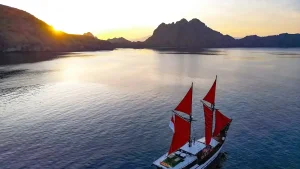
Komodo is not a simple point‑and‑shoot destination. On a 3D2N to 7D6N Best Liveaboard Komodo trip — the dedicated liveaboard desk of Komodo Luxury (part of Juara Holding Group, operating Labuan Bajo departures since 2015) — you move quickly through very different shooting scenarios:
- Dragons and savanna on Rinca and Komodo Island
- High‑current reefs at Batu Bolong, Castle Rock, Crystal Rock
- Manta action at Manta Point and Karang Makassar
- Iconic landscapes like Padar sunrise and Pink Beach
- Night dives and astrophotography from the deck
Conditions swing fast: bright equatorial sun, low‑light dawn treks, green‑blue water with plankton, sudden squalls. Your gear and settings need to cover topside wildlife, fast‑moving mantas, macro subjects, and low‑light scenes on a moving boat. This guide focuses on exactly that, grounded in how guests actually sail and dive around Labuan Bajo, Flores, with Best Liveaboard Komodo’s VVIP, VIP and Deluxe phinisi classes, motor yachts and superyachts.
Core Camera Gear for a Komodo Liveaboard (Topside & Underwater)
To match Komodo’s variety, think in systems instead of single cameras. For most guests on private charters or shared‑cabin departures, this mix works best:
1. Main camera body (topside + backup underwater)
- Mirrorless or DSLR with good high‑ISO performance and weather resistance
- 24MP–45MP is plenty; more resolution matters less than autofocus and low‑light handling
- Fast continuous shooting (5–10 fps) is useful for mantas and dragons in motion
2. Lenses for Komodo landscapes and wildlife
- Wide/standard zoom (e.g. 16–35mm or 24–70mm): Padar viewpoint, Pink Beach, deck life
- Telephoto zoom (e.g. 70–200mm or 70–300mm): dragons at a safe distance, deer, monkeys, compressed landscapes, candid portraits on the boat
3. Underwater system (critical for diving or snorkeling trips)
- Dedicated compact or mirrorless in a rated housing, or your main body in a housing
- Wide‑angle solution: fisheye, rectilinear wide, or high‑quality wet wide lens to cover mantas, reef walls and schooling fish
- Macro option: macro lens or close‑up wet diopter for nudibranchs, pygmy seahorses and small critters at sites covered in lesser‑known macro dive spots
- At least one, ideally two strobes or powerful video lights (6,000–10,000+ lumens each) to fight Komodo’s often green, particulate‑rich water
4. Support gear for a moving boat
- Compact carbon‑fiber tripod for sunrises, sunsets and night skies on deck
- Small tabletop tripod or clamp for cabins with limited space
- Polarizing filter for harsh midday reflections around islands like Padar and Kelor
- Dry bag and padded camera cube for fast dinghy transfers
For a complete packing overview that goes beyond cameras — including reef‑safe sunscreen, seasickness and safety items — cross‑check our detailed packing list for Komodo liveaboards.
Recommended Settings: Dragons, Landscapes, Night Skies and Boat Life
Komodo topside photography is fast and bright, but also very contrasty. These baseline settings work well across a typical 3D2N–7D6N itinerary covering Padar, Rinca, Komodo and Pink Beach, then adjust shot by shot.
1. Komodo dragons and wildlife (Rinca / Komodo Island)
- Mode: Aperture Priority (A/Av) or Manual with Auto ISO
- Shutter speed: 1/500s–1/1000s to freeze sudden movement and tongue flicks
- Aperture: f/5.6–f/8 for enough depth of field on large animals
- ISO: 100–400 in bright light, up to 800 under trees
- Focus: Continuous AF, single point or small zone on the eye/head
- Drive: Short bursts (high‑speed continuous) for sequences
Always follow ranger instructions and current park rules, which are current at the time of writing and reconfirmed before departure. A longer lens (200mm+) lets you keep respectful distance and still fill the frame.
2. Padar sunrise and Komodo landscapes
- Mode: Aperture Priority or Manual
- Aperture: f/8–f/11 for front‑to‑back sharpness
- Shutter: 1/60s–1/200s handheld; longer with tripod
- ISO: 100–200 once the sun is up; 400–800 pre‑dawn
- White balance: “Daylight” for consistent colors or “Cloudy” for warmer tones at golden hour
A lightweight tripod or rail support is valuable for blue hour before sunrise and after sunset, especially on longer itineraries where you may shoot multiple summits.
3. Night skies from the boat
- Lens: widest you have (14–24mm equivalent), f/2.8 or faster
- Mode: Manual
- Aperture: f/2–f/2.8
- Shutter: 10–15s to limit star trails
- ISO: 3200–6400 depending on moonlight and light pollution
- Focus: Manual, pre‑focus on a distant light or bright star
The boat can move slightly at anchor, especially in currents discussed in our motion and seasickness guide. Expect some frames to blur. Shoot many, and time your exposures for lulls between swells.
4. Candid life on board
- Mode: Aperture Priority
- Aperture: f/2.8–f/4 for soft backgrounds
- Shutter: 1/160s+ to avoid motion blur as the boat moves
- ISO: Auto with a ceiling of 3200 for dusk deck scenes
Underwater Settings for Komodo’s Reefs, Mantas and Macro
Komodo’s underwater photography is shaped by strong currents, changing visibility and mixed blue‑green water. Guides and cruise directors on Best Liveaboard Komodo’s VVIP, VIP and Deluxe phinisi or motor yacht trips will brief current direction, tide and depth before every dive so you can set up sensibly.
1. Wide‑angle reef and schooling fish
- Mode: Manual (water tricks auto modes)
- Shutter: 1/160s–1/250s (faster for fast drifts)
- Aperture: f/8–f/11 for crisp corners and schooling fish
- ISO: 200–800 depending on depth and strobe power
- Strobes: 1/2–3/4 power, diffused, pulled back to reduce backscatter
- White balance: Auto if shooting RAW; custom WB if using ambient light video only
2. Mantas at Manta Point / Karang Makassar
- Shutter: 1/250s–1/320s to freeze wing movement in current
- Aperture: f/7.1–f/10 to keep the whole animal sharp
- ISO: typically 400–800
- Strobes: often dialed down or angled out to reduce backscatter in planktonic water
- Focus: Continuous AF, wide or zone area to track moving mantas
Maintain distance and never chase mantas; Best Liveaboard Komodo adheres to non‑harassment guidelines aligned with our sustainable Komodo diving standards.
3. Macro: nudibranchs, pygmy seahorses, critters
- Shutter: 1/125s–1/200s
- Aperture: f/11–f/18 for enough depth of field at high magnification
- ISO: 100–400 (strobes do the heavy lifting)
- Focus: Single‑point AF or manual focus with focus peaking; rock‑steady buoyancy is essential
Some lesser‑known macro sites are current‑sheltered, giving more time to compose, as outlined in our dive‑focused article on Komodo’s marine biodiversity.
4. Snorkeling & surface action
- Shutter priority around 1/1000s for leaping mantas and choppy surface
- Auto ISO with a ceiling of 1600–3200, especially under clouds
- Use burst mode and keep your housing slightly submerged to reduce surface glare
Practical Liveaboard Tips: Power, Backups, Storage and Boat Choice
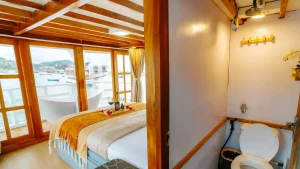
Best Liveaboard Komodo organises 3D2N to 7D6N sailing and diving trips across VVIP, VIP and Deluxe phinisi classes, plus motor yachts and superyachts. Photography comfort is shaped as much by the boat class as your camera:
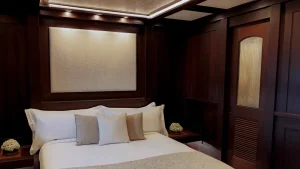
- VVIP and VIP phinisi / superyachts: usually feature dedicated camera tables, charging stations and more stable decks, ideal for serious photo work and multi‑camera rigs.
- Deluxe phinisi or shared‑cabin trips: more compact, but still workable for one main camera, one underwater rig and careful bag organisation.
Power and charging
- Bring 2–3 spare batteries per camera body and at least 1–2 spare sets for strobes
- Pack a multi‑socket extension strip and international plug adapter (most boats use 220V power, European‑style sockets)
- Use dry boxes or large airtight containers with silica gel to rest housings overnight
Storage and backup strategy
- At least two large SD/CFexpress cards so you’re not forced to reformat mid‑trip
- Daily backup to a rugged SSD or HDD; ideally keep a second copy on separate media in another bag
- Keep critical RAWs on cards until you’re back in Labuan Bajo or home
Boat motion and safety for your gear
- Use non‑slip mats on camera tables and never leave gear standing upright underway
- Secure tripods and light stands; sudden swells can send them sliding
- Transfer cameras in padded backpacks or dry bags during tender runs to islands and dive sites
To understand how boat class, trip length and cabin type influence your photography comfort and budget, see our guide to best boats and cabins for Komodo and price breakdown in what a Komodo liveaboard costs.
Choosing the Right Best Liveaboard Komodo Trip for Photographers
Photographers tend to prefer specific itineraries and vessel setups. As the liveaboard desk of Komodo Luxury, Best Liveaboard Komodo matches guests to:
- Trip length: 3D2N for highlights (Padar, Rinca/Komodo, manta site, Pink Beach), 4D3N–7D6N for more chance at perfect light and conditions across multiple sites.
- Trip type:
- Private phinisi charters: from about USD 200–350 per person for a 2D1N trip when a group of eight shares the boat, depending on vessel, season and inclusions.
- Motor yacht charters: indicative bands of USD 1,500–3,000 per day (around USD 250–500 per person for typical group sizes), with higher cruising speed that can help chase the best sunrise or sunset.
- Superyacht and ultra‑luxury phinisi tiers: designed for full production teams or very high‑end trips, with bands typically USD 5,000–12,000 per day for superyachts (about USD 830–2,000 per person depending on group size), private superyachts by the week from about USD 50,000, and ultra‑luxury phinisi from around USD 15,000+ per night. Exact quotes are always confirmed case‑by‑case on WhatsApp.
- Shared‑cabin departures: more budget‑friendly yet camera‑friendly options on Deluxe and selected VIP vessels.
- Day options out of Labuan Bajo:
- 1‑day speedboat charters around Komodo, typically starting around USD 400 for the whole boat (4–8 passengers) depending on vessel and season, ideal if all you want is a Padar sunrise and daytime dragon/landscape shoot.
All pricing here is indicative and varies by vessel, season, and group size; final confirmed figures are provided individually by the sales team on WhatsApp or email.
Before committing to a photography‑focused trip, review practical points like park fees, entry permits, and drone rules in our Komodo Park fees and entry rules and extended Best Liveaboard Komodo FAQ, both based on regulations current at the time of writing and always reconfirmed before your departure.
To plan a photography‑ready itinerary, match a specific boat class to your gear needs, and get an exact quote within the price bands above, contact our specialists on WhatsApp chat or email sales@komodoluxury.com.