Updated: July 2026
Komodo Conservation 2027: Preserving the Future of Komodo National Park
In 2027, Komodo National Park is focusing on innovative conservation strategies, including community engagement and sustainable tourism, to protect its unique ecosystem for future generations.
Komodo Conservation 2027
Komodo National Park, renowned for its incredible biodiversity and the iconic Komodo dragon, is at the forefront of conservation efforts in 2027. The park’s management is implementing forward-thinking strategies to ensure the preservation of its unique environmental and cultural heritage. Covering an area of approximately 1,733 square kilometres, the park includes three main islands: Komodo, Rinca, and Padar, as well as numerous smaller ones. It provides a sanctuary for over 5,700 Komodo dragons and marine species, including 260 coral species, over 1,000 species of fish, and 70 species of sponges.
Ongoing Conservation Efforts
What are the ongoing conservation efforts in Komodo National Park for 2027? The park is prioritising ecosystem management and community involvement. This includes regulating visitor numbers to minimise ecological impact, promoting local awareness programmes, and enhancing habitat restoration projects. Visitor numbers are capped at around 200,000 annually to prevent over-tourism and protect the fragile ecosystems. The park management collaborates with local communities through awareness programmes that educate over 4,000 residents about sustainable practices and conservation importance. Additionally, habitat restoration projects focus on re-establishing mangrove forests and coral reefs, which are vital for coastal protection and marine biodiversity.
Future of Komodo Park
The future of Komodo Park is being shaped by innovative approaches to conservation. As part of a broader commitment to sustainability, the park is exploring advanced technology in wildlife monitoring and data collection. Drones and satellite imagery are utilised for tracking animal populations and detecting environmental changes. These technologies contribute to more accurate mapping of habitats and the identification of critical areas for conservation. Furthermore, community-led initiatives are gaining traction, empowering locals to take an active role in conservation activities. Over 30 local conservation groups are actively involved in projects like beach clean-ups and reforestation, fostering a culture of environmental stewardship among residents.
Park Conservation Efforts
Park conservation efforts in 2027 are holistic, focusing on both terrestrial and marine environments. Key initiatives include:
- Marine Protected Areas: Expanding zones where fishing and resource extraction are restricted to foster marine biodiversity. Currently, about 1,000 square kilometres of marine areas are designated as protected zones, with plans to increase this by 20% over the next five years.
- Reforestation: Planting native tree species to restore degraded landscapes and support terrestrial wildlife. Since 2025, over 50,000 trees have been planted, aiming to restore 100 hectares of land by 2030.
- Species Monitoring: Implementing technology to track and study wildlife health and numbers. RFID tagging and camera traps are used to monitor species such as the Timor deer and the critically endangered Yellow-crested Cockatoo.
These efforts are vital for ensuring the park remains a haven for its diverse flora and fauna. By 2027, the park aims to increase its biodiversity index by 10%, reflecting healthier ecosystems and more resilient species populations.
2027 Note: Sustainable Tourism
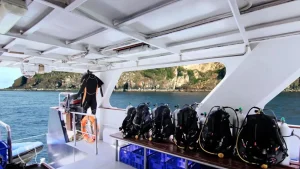
Amidst these developments, sustainable tourism remains a critical consideration. The park is working with tourism operators to establish guidelines that encourage eco-friendly practices. This includes promoting low-impact activities such as guided nature walks and snorkelling tours that utilise eco-friendly equipment. Educational programmes for visitors highlight the importance of conservation, with over 50 workshops held annually to engage tourists in sustainability efforts. For those considering visiting, our liveaboard tours offer a unique, responsible way to experience the park’s wonders while adhering to strict environmental guidelines.
FAQ
What are the main threats to Komodo National Park in 2027?
The main threats include climate change, illegal fishing, and habitat degradation. Rising sea levels and increased temperatures pose significant risks to both terrestrial and marine ecosystems. Conservation efforts are focused on mitigating these threats through regulation and community engagement. Strategies such as stricter enforcement of anti-poaching laws and the promotion of sustainable fishing practices are crucial in addressing these challenges.
How can visitors contribute to conservation in Komodo National Park?
Visitors can contribute by adhering to park guidelines, participating in eco-friendly tours, and supporting local conservation initiatives. Simple actions like disposing of waste properly, using reef-safe sunscreen, and respecting wildlife habitats significantly impact preservation efforts. Our FAQ page offers more insights on responsible travel practices, ensuring that every visitor leaves a positive mark on the park.
Are there any new species protection laws in place?
Yes, in 2027, new laws have been implemented to enhance the protection of endangered species within the park, focusing on habitat preservation and anti-poaching measures. These include increased patrols and the establishment of new no-take zones, particularly aimed at protecting vulnerable marine species. Collaborative efforts with international conservation organisations are also underway to bolster the park’s legal framework and enforcement capabilities.