Updated: August 2026
Seasickness, Safety, And Motion Tips At Sea
Seasickness, Safety, And Motion Tips At Sea
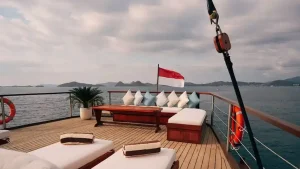
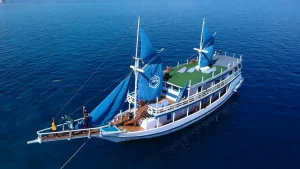
Seasickness is a common concern for travelers embarking on a Komodo liveaboard adventure. Defined as a form of motion sickness, it occurs when your brain receives conflicting messages from your inner ear, eyes, and deeper body parts. Luckily, with the right tips and preparations, you can enjoy your time at sea without feeling unwell.
Understanding Seasickness on a Komodo Liveaboard
If you’re considering a liveaboard trip in Komodo, you’ll be navigating some of the most stunning waters in Indonesia. However, the experience can be undermined by the discomfort of seasickness. The Komodo National Park is famous for its rich marine biodiversity, and many visitors join 4 to 7-day liveaboard cruises, which typically cost between $1,000 to $2,500 USD per person. This price often includes meals, diving equipment, and the opportunity to explore remote islands.
The sea conditions in Komodo can vary widely. The rough sea season generally runs from November to March, where waves can reach 2-3 meters, making some boat trips challenging. This makes understanding how to avoid seasickness on a boat crucial for a successful trip.
How to Avoid Seasickness on Your Komodo Boat
- Choose the Right Cabin: If you can, opt for a lower deck cabin and stay towards the middle of the vessel where the motion is less intense.
- Stay Hydrated: Dehydration can exacerbate feelings of nausea, so drink plenty of water before and during your trip.
- Eat Lightly: Avoid heavy, greasy meals before boarding. Instead, snack on crackers, toast, or bananas.
- Ginger and Peppermint: Both ginger tea and peppermint are natural remedies known to help alleviate nausea.
- Focus Your Eyes: Look at the horizon or a stable object; this can help your brain reconcile the conflicting signals.
- Limit Alcohol: While it might be tempting to indulge, alcohol can worsen seasickness.
- Position Yourself Wisely: When on deck, try to stay in the fresh air, as this can help you feel better.
Best Seasickness Tablets for Liveaboard
For those who anticipate seasickness may become a reality during their Komodo trip, carrying medication is advisable. Some of the best seasickness tablets for liveaboard options include:
- Dimenhydrinate: Often sold under the brand name Dramamine, this medication can help prevent nausea and is effective for most people.
- Meclizine: This is another over-the-counter option that works well, especially for those who plan to take it a few hours before departure.
- Scopolamine Patches: These patches are applied behind the ear and can be effective for longer trips, providing relief for up to three days.
When using any medication, it’s wise to consult with a healthcare professional prior to your trip, especially if you have any pre-existing conditions or are currently taking other medications.
What If I Get Seasick on a Komodo Boat?
If you find yourself feeling unwell during your liveaboard trip, there are several steps you can take to mitigate discomfort:
- Head to the deck for fresh air. Sometimes just being outside can help ease the nausea.
- Lie down and close your eyes. This can help stabilize your inner ear.
- Stay still. Keeping your body as still as possible can reduce feelings of sickness.
- Use acupressure. Some people find relief by applying pressure to specific points on their wrists.
Komodo Trip Safety Briefing
Before your liveaboard journey begins, the crew will conduct a Komodo trip safety briefing. This is a vital component of your adventure for several reasons:
- Emergency Procedures: You’ll learn how to react in case of emergencies, including man overboard drills and safety equipment locations.
- Health and Safety: The crew will inform you about precautions regarding jellyfish, currents, and safe swimming practices.
- Local Customs: Understanding the culture and respecting the environment goes a long way in enhancing your experience while ensuring the safety of local wildlife.
First-Time Liveaboard Tips
If this is your first time on a liveaboard, consider these additional tips to ensure a smooth experience:
- Pack wisely: Bring layers, sunscreen, and a refillable water bottle. Also, consider bringing seasickness remedies as a precaution.
- Communicate with the crew: Don’t hesitate to express any concerns you may have, whether about seasickness or dive safety.
- Engage with your fellow travelers: Sharing experiences and knowledge can enhance your trip, and having companions can make the experience less daunting.
Komodo Travel Safety Boat
When booking a liveaboard cruise, ensure that the operators are reputable and prioritize safety. Look for boats with experienced crews, proper safety equipment, and good reviews regarding their safety practices. Operators that provide a strong safety briefing and emergency procedures typically offer a more secure experience.
Frequently Asked Questions (FAQ)
- What should I do if I feel seasick on the boat?
Head outside for fresh air, use acupressure, and stay as still as possible. If needed, consider taking seasickness medications as per the advice of the crew. - Are there specific months I should avoid for a liveaboard in Komodo?
It’s best to avoid the rough sea season from November to March, as this can lead to uncomfortable sailing conditions. - What are the best preparations before a liveaboard trip?
Pack light, bring seasickness remedies, and familiarize yourself with the boat’s safety protocols during the briefing.
Embarking on a liveaboard adventure in Komodo can be unforgettable, offering stunning dives and breathtaking landscapes. With the right preparations and knowledge, you can minimize the risk of seasickness and ensure a safe trip. Remember, a little planning goes a long way. Happy sailing!
Explore more from Bestliveaboardkomodo
- Bestliveaboardkomodo — home
- Customize Your Best Liveaboard Komodo Atelier
- Best Liveaboard Komodo Atelier Safety & Trust
- Best Liveaboard Komodo Atelier Cost & Pricing Guide
- Packing List For Komodo Liveaboards
- Sustainable Komodo Travel And Responsible Boats